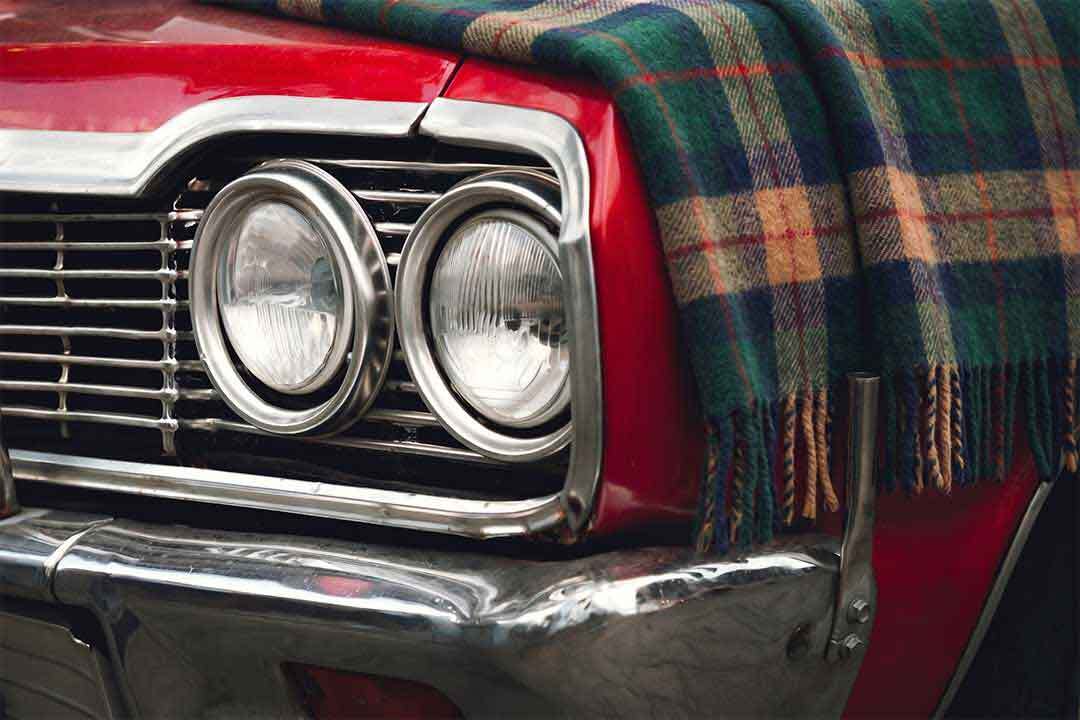
Northern Illinois winters can be hard on vehicles, especially cars that sit unused for several months. Freezing temperatures, snow, ice, moisture, road salt, and repeated temperature changes can all contribute to wear and deterioration.
For owners of classic cars, sports cars, luxury vehicles, convertibles, and other seasonal vehicles, leaving a car outside all winter is rarely ideal. Even an unheated garage may not provide the level of protection a valuable vehicle needs.
This is where heated car storage becomes worth considering. By keeping the vehicle indoors and protecting it from prolonged exposure to extreme cold, heated storage can help preserve its condition and make it easier to return to the road when warmer weather arrives.
But is heated car storage worth the additional cost? For many Northern Illinois vehicle owners, the answer is yes.
A vehicle does not need to be driven through snow for winter weather to affect it. Cars that remain parked for long periods can still develop problems related to cold temperatures, moisture, and inactivity.
Cold weather puts additional stress on many parts of a vehicle. Batteries lose strength more quickly in freezing conditions, while fluids become thicker and circulate less easily. Rubber seals, hoses, belts, and plastic components can also become stiff or brittle after extended exposure to extreme cold.
Tire pressure naturally falls as temperatures drop. When a car remains parked in the same position for several months, improper tire pressure can also increase the risk of flat spots.
Modern vehicles are not immune to these problems. Luxury, sports, and performance cars often contain complex electronics, specialized batteries, sensors, and other components that can be expensive to repair or replace.
Moisture is another major concern during a Northern Illinois winter. As temperatures rise and fall, condensation can develop on and around a stored vehicle.
Over time, excess moisture may contribute to:
Rust and corrosion
Mold and mildew
Musty interior odors
Damage to electrical connections
Deterioration of upholstery and trim
Water spots and finish damage
Heated storage does not automatically eliminate humidity, but keeping a vehicle in a more stable indoor environment can reduce its exposure to the most extreme outdoor temperature changes.
Vehicles stored outdoors remain exposed to snow accumulation, freezing rain, ice, wind, and debris. Even when covered, trapped moisture or an improperly fitted cover can cause problems.
Road salt is especially damaging. If a vehicle is stored without being thoroughly cleaned, salt left on the body or undercarriage can continue contributing to corrosion while the car sits.
Indoor heated car storage protects the vehicle from direct contact with winter weather and keeps it away from snow-covered or salt-treated parking areas.
The primary advantage of heated car storage is greater protection. The vehicle remains inside a secure, enclosed space and is not subjected to the same freezing conditions it would experience outdoors or inside an unheated structure.
A heated environment helps keep the storage space from reaching the severe temperatures common during a Northern Illinois winter.
This can reduce stress on the battery, fluids, seals, hoses, plastic components, and other materials that become more vulnerable in freezing weather. It also creates better conditions for a vehicle that will remain inactive for several months.
Cold temperatures reduce a battery’s ability to hold and deliver power. A battery that already has some age or wear may be completely discharged by the time the owner attempts to start the vehicle in spring.
Heated vehicle storage can reduce the battery’s exposure to extreme cold, although owners should still follow the vehicle manufacturer’s storage recommendations. Depending on the car and the facility’s rules, this may include using an approved battery maintainer or disconnecting the battery.
Engine oil, transmission fluid, coolant, and other automotive fluids respond to changes in temperature. Extreme cold can make some fluids thicker and place additional stress on components during startup.
Rubber seals, weatherstripping, hoses, and plastic parts may also become stiff or brittle during prolonged periods of freezing weather. Storing the vehicle in a heated indoor space provides a more stable environment for these materials.
Heated indoor car storage provides more than temperature protection. The vehicle is also sheltered from snow, ice, freezing rain, road salt, wind, falling branches, and other outdoor hazards.
The car remains cleaner during storage, reducing the amount of work required before it can be driven again. Owners also avoid repeatedly clearing snow from the vehicle or worrying about ice accumulating around doors, windows, seals, or exterior trim.
A vehicle’s interior and exterior contain materials that can be affected by long periods of cold and moisture.
Leather can dry and crack. Vinyl and plastic can become brittle. Rubber seals may harden. Convertible tops can retain moisture or experience unnecessary stress from snow and ice. Paint and clear coat can also deteriorate when repeatedly exposed to changing temperatures and winter contaminants.
Heated car storage provides an additional layer of protection for these surfaces, particularly when the vehicle is clean and completely dry before being placed into storage.
A properly prepared vehicle stored inside a heated building will generally require less winter-related cleaning and inspection in the spring.
The car will not be buried under snow, surrounded by ice, or exposed to months of outdoor debris. It may also have fewer issues related to freezing temperatures, corrosion, moisture, and battery discharge.
Proper storage cannot replace regular maintenance, but it can make the transition back to seasonal driving much easier.
Almost any vehicle can benefit from indoor winter storage, but heated storage is particularly valuable for certain types of cars.
Classic and vintage vehicles often contain original materials that are more sensitive to environmental conditions than those used in newer cars.
Older paint, chrome, leather, vinyl, wood trim, rubber seals, wiring, and mechanical components can be difficult or expensive to replace. Even minor damage may affect the vehicle’s originality and long-term value.
For collectors, the cost of heated classic car storage may be small compared with the potential expense of repairing rust, cracked upholstery, damaged trim, or deteriorated components.
Luxury and exotic vehicles often include high-end finishes, advanced electronics, specialized batteries, and complex mechanical systems.
These vehicles are also expensive to repair. Protecting them from direct winter exposure can help reduce avoidable deterioration and give owners greater peace of mind during the months when the car is not being driven.
Many sports and performance vehicles are not designed for winter use. They may have summer tires, low ground clearance, rear-wheel drive, or exterior finishes that owners do not want exposed to snow and salt.
Rather than leaving these vehicles parked in an unheated garage or outside, heated indoor car storage provides a protected place to keep them until driving conditions improve.
Convertible tops, seals, drainage systems, and interiors can all be affected by moisture, ice, and snow.
Storing a convertible indoors protects the soft top from the weight of snow and reduces direct exposure to freezing conditions. It also helps protect the interior if the roof or window seals are older or beginning to wear.
Collector and project vehicles may remain inactive for longer than a single winter. Some may also have exposed components, unfinished bodywork, rare parts, or partially completed restorations.
A heated storage environment provides better protection while the owner waits to continue working on the vehicle.
A vehicle does not need to be rare or expensive to benefit from heated winter storage.
A summer car, family convertible, inherited vehicle, or secondary car may sit unused for several months. Indoor heated storage can free up space at home while protecting the vehicle from weather, theft, accidental damage, and unnecessary deterioration.
Heated car storage generally costs more than outdoor parking or basic unheated storage. Whether that additional cost is worthwhile depends on the vehicle and the owner’s priorities.
For a valuable, collectible, sentimental, or difficult-to-replace vehicle, heated storage is often a sensible investment. The added monthly cost may be minor compared with the potential expense of repairing corrosion, replacing a damaged battery, restoring an interior, correcting paint damage, or fixing moisture-related electrical problems.
Heated storage is especially worth considering when:
The vehicle will not be driven throughout winter
The car has significant financial or sentimental value
The owner wants to preserve the vehicle’s appearance
The car has sensitive electronics or specialized components
The vehicle is a classic, luxury, sports, exotic, or collectible model
Secure indoor space is not available at home
The owner wants protection from snow, ice, salt, and extreme cold
There is also value in convenience. The owner does not have to clear snow from the vehicle, monitor an outdoor cover, or worry about winter weather damaging the car while it sits.
For many owners, that protection and peace of mind justify the difference in price.
Even inside heated storage, the car should be properly prepared.
Wash and completely dry the vehicle, including the undercarriage. Check the fluids and tire pressure, remove food and unnecessary belongings, and follow the manufacturer’s recommendations for the battery and fuel system.
A clean, breathable indoor car cover can provide additional protection from dust. Avoid covering a car while it is wet or using a tarp that may trap moisture against the vehicle.
Finding heated car storage can be difficult because many storage facilities only offer outdoor parking, covered spaces, or standard unheated units.
Herrmann’s Storage offers indoor heated winter storage in Hampshire, Illinois, providing Northern Illinois vehicle owners with a protected place to store classic cars, sports cars, luxury vehicles, convertibles, and seasonal vehicles.
The Hampshire location makes it a convenient option for drivers from surrounding communities who need more protection than an outdoor parking space or basic garage can provide.
Indoor storage keeps vehicles away from direct exposure to snow, ice, salt, wind, and winter debris. The heated environment provides another level of protection during the coldest months of the year.
Because heated indoor vehicle spaces are limited, owners should check availability before winter conditions arrive.
Northern Illinois winters create difficult conditions for any car left unused for several months. Freezing temperatures, moisture, snow, ice, and salt can all affect a vehicle, even when it is not being driven.
Heated car storage provides a secure indoor environment that protects vehicles from direct winter exposure and reduces the strain caused by prolonged freezing conditions. For classic, luxury, sports, exotic, convertible, collector, and seasonal vehicles, that added protection can be well worth the cost.
Herrmann’s Storage offers heated indoor car storage in Hampshire, Illinois. Contact the facility or check current availability to reserve a space and keep your vehicle protected throughout the winter.
