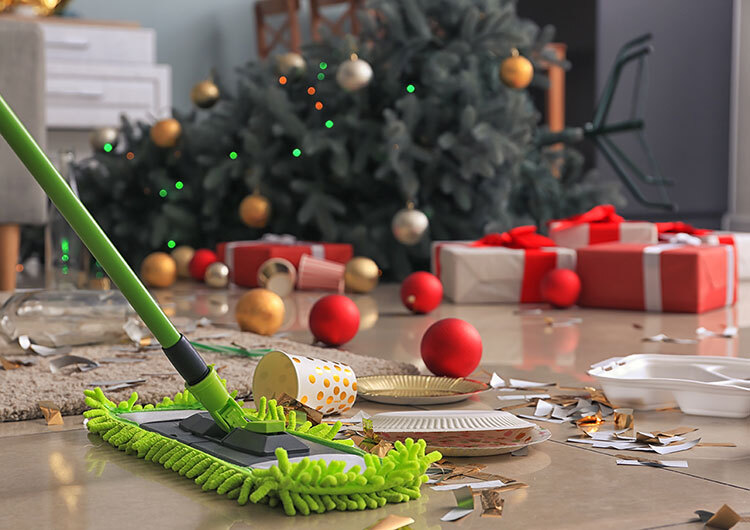
The holidays have come and gone. The wrapping paper has been torn off, the meals have been eaten, and the guests have headed home. Now, you are left with the aftermath: new gifts, old decorations, and a house that suddenly feels a lot smaller than it did in November.
January is the perfect time to reset. It’s when we look at our living spaces and decide what stays and what goes. But staring at a pile of holiday decor or a closet full of clothes can be overwhelming. How do you decide what is worth keeping and what is just taking up valuable space?
This guide will walk you through a simple decision-making process to cut the clutter, organize your home, and pack away your seasonal items properly so they are ready for next year. We’ll also cover why getting these items out of your home completely might be the smartest decision you make all year.
Before you start packing boxes, you need to purge. Packing away broken ornaments or clothes you haven't worn in three years just delays the inevitable. Use this simple framework to make quick decisions as you go through your items.
Some things have simply reached the end of their life cycle. It can be hard to throw things away, especially if they have sentimental value, but holding onto damaged goods creates unnecessary clutter.
Toss items if:
This is the "feel-good" pile. Just because you don't use something doesn't mean it’s trash. If an item is still in good condition but doesn't serve you anymore, let it serve someone else.
Donate items if:
The "Keep" pile should be reserved for items you love, use, or need. Be ruthless here. Space is a commodity, and you want to fill it with things that matter.
Keep items if:
Once you have sorted your items, the next step is organizing what remains. Don't just shove everything back into the attic or closet. A little strategy now saves you a massive headache next December.
It’s tempting to pack things based on where they were displayed (e.g., "Living Room Decor"). Instead, group by category (e.g., "Lights," "Garland," "Ornaments"). This makes it easier to decorate next year because you can find exactly what you need without opening every single box.
"Xmas Stuff" is not a helpful label. Be specific. Use a thick marker or printed labels to list the contents on the side of the bin (not just the top, so you can see it when stacked). For example: "Outdoor Lights & Extension Cords" or "Tree Skirt & Stockings."
Cardboard boxes degrade over time and don't protect against moisture or pests as well as plastic. Clear plastic bins are a storage superhero. They let you see what’s inside at a glance, are sturdy enough to stack, and protect your items from dust and pests in your garage or storage unit.
Create one special box labeled "Open First." Put the things you need immediately when the holidays start next year in here. This might include your Advent calendar, holiday music CDs, or the specialized tools you need to assemble the tree.
Now that you are organized, let's talk about the best way to physically store your major items to ensure they survive the year in a standard storage unit or garage.
Delicate items require protection. For glass ornaments, avoid wrapping them in newspaper, as the ink can transfer. Tissue paper or bubble wrap is safer. Consider using dividers in your bins to keep ornaments from crushing each other.
For artificial trees, invest in a canvas tree bag. Trying to wrestle a tree back into its original cardboard box is a recipe for frustration and damaged branches. A bag protects the tree from dust and makes it much easier to carry.
Wreath tip: Use a coat hanger to hang wreaths inside a wardrobe box or cover them in a trash bag and hang them on a nail. Stacking heavy items on top of a wreath will flatten it permanently.
Before storing winter coats and sweaters, wash or dry clean them. Stains that sit for months can become permanent and attract bugs.
Use plastic bins with tight-fitting lids for knitwear and wool. Avoid hanging heavy sweaters, as this can stretch the shoulders out of shape. For heavy coats, a wardrobe box is an excellent investment. It allows coats to hang freely, preventing wrinkles and maintaining their shape better than folding them into a cramped drawer.
Sentimental items like photo albums, handmade crafts, or vintage ceramics need extra care. Since standard storage spaces can experience temperature fluctuations, you want to insulate these items.
Wrap fragile keepsakes in acid-free tissue paper and place them in sturdy plastic bins. Avoid storing these directly on the floor of a storage unit; place them on shelving or on top of other sturdy boxes or pallets. This adds a layer of protection against unexpected moisture or temperature shifts from the concrete floor.
Taking the time to declutter and organize after the holidays isn't just a chore; it’s a gift to your future self. By tossing what is broken, donating what is unneeded, and properly storing what you love, you reclaim your space and your peace of mind.
If you find that your "Keep" pile is still larger than your closet space allows, it might be time to look for external solutions. A clean, secure storage unit can act as an extension of your home, keeping your seasonal items safe and out of the way until the jingle bells ring again.
